A home valuation is most useful when it reflects both your property’s condition and the current Roebuck market. A little preparation can help an agent see the details that support your home’s value, identify practical pre-listing priorities, and create a clearer plan for your next move.
Start With a Clear Picture of Your Property
A valuation is more than a quick look at recent sale prices. It is a conversation about your home’s location, condition, features, upgrades, and the competing properties a buyer may also consider. Before an appointment, take time to walk through the property with fresh eyes. Notice what makes daily use easier: storage areas, flexible rooms, outdoor spaces, natural light, parking, updated systems, or a layout that flows well from one room to the next.

Make a simple list of improvements completed during your ownership. Include the year and approximate cost when available, but do not worry if every receipt is not perfectly organized. Roof work, HVAC replacement, water-heater updates, windows, flooring, kitchen refreshes, bathroom improvements, landscaping, drainage work, and appliance replacements can all help create a more complete property story. Permits, warranties, contractor invoices, and service records are especially useful when they are easy to review.
It also helps to separate maintenance from renovation. Repairing a leaking faucet or replacing a worn component protects the home’s condition, while a remodeled kitchen or added patio may change how the property compares with other homes. Both matter. A well-kept home can reduce questions about deferred maintenance, while thoughtful upgrades may strengthen the home’s position among recent comparable sales.
Bring a short upgrade list to the valuation appointment, even if it is handwritten. Dates, receipts, and warranty details can give useful context that online records and public data may not show.
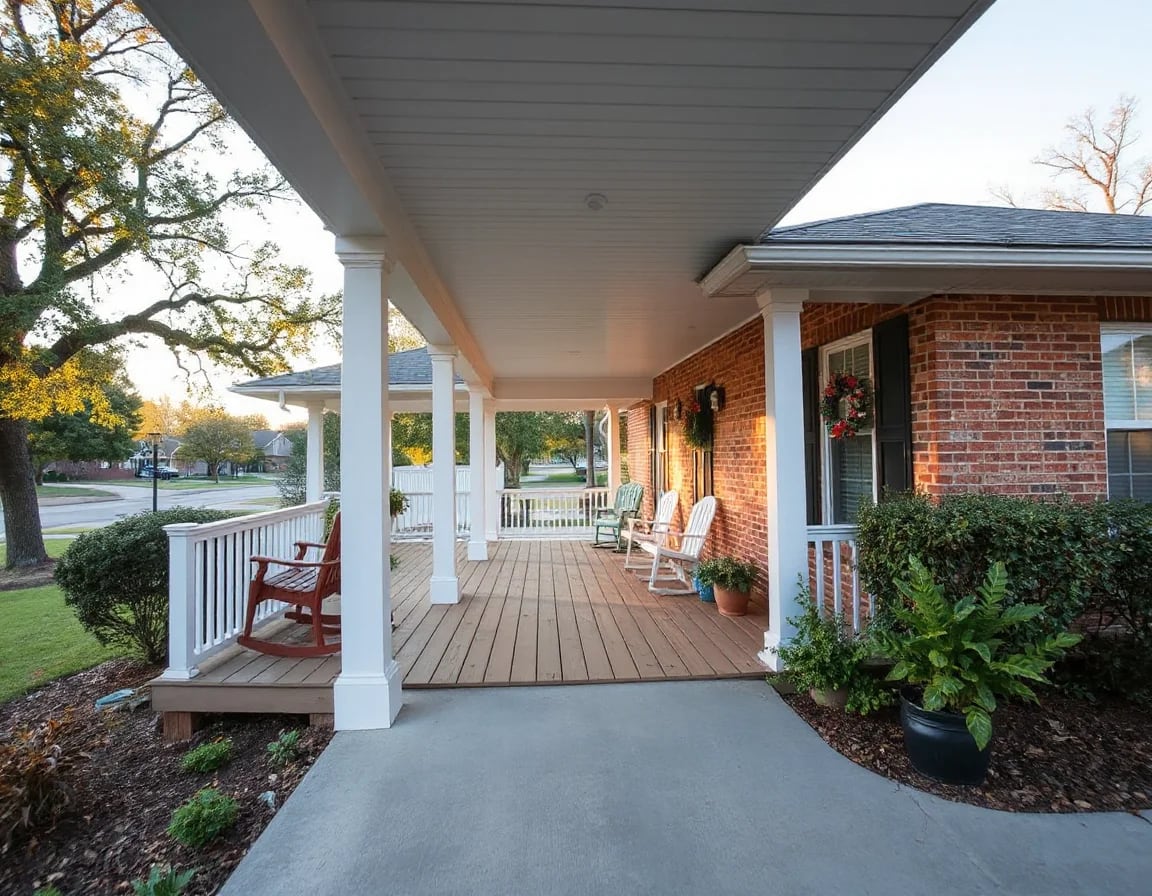
For outdoor areas, focus on presentation and function rather than trying to complete every possible project. Clear walkways, trim overgrown plants, remove clutter from porches and patios, and make sure house numbers are visible. In Roebuck, usable yards, parking areas, covered entries, and well-maintained exterior features can shape a visitor’s first impression before anyone steps inside.
Prepare the Home for an Accurate Walk-Through
You do not need to stage your home like a magazine spread for a valuation, but access and visibility matter. The goal is to let the agent observe the home’s condition without distractions. Open curtains or blinds where practical, turn on lights in darker rooms, and make sure major spaces can be entered easily. If there are storage rooms, utility areas, outbuildings, or garages, clear a path so those spaces can be viewed safely.
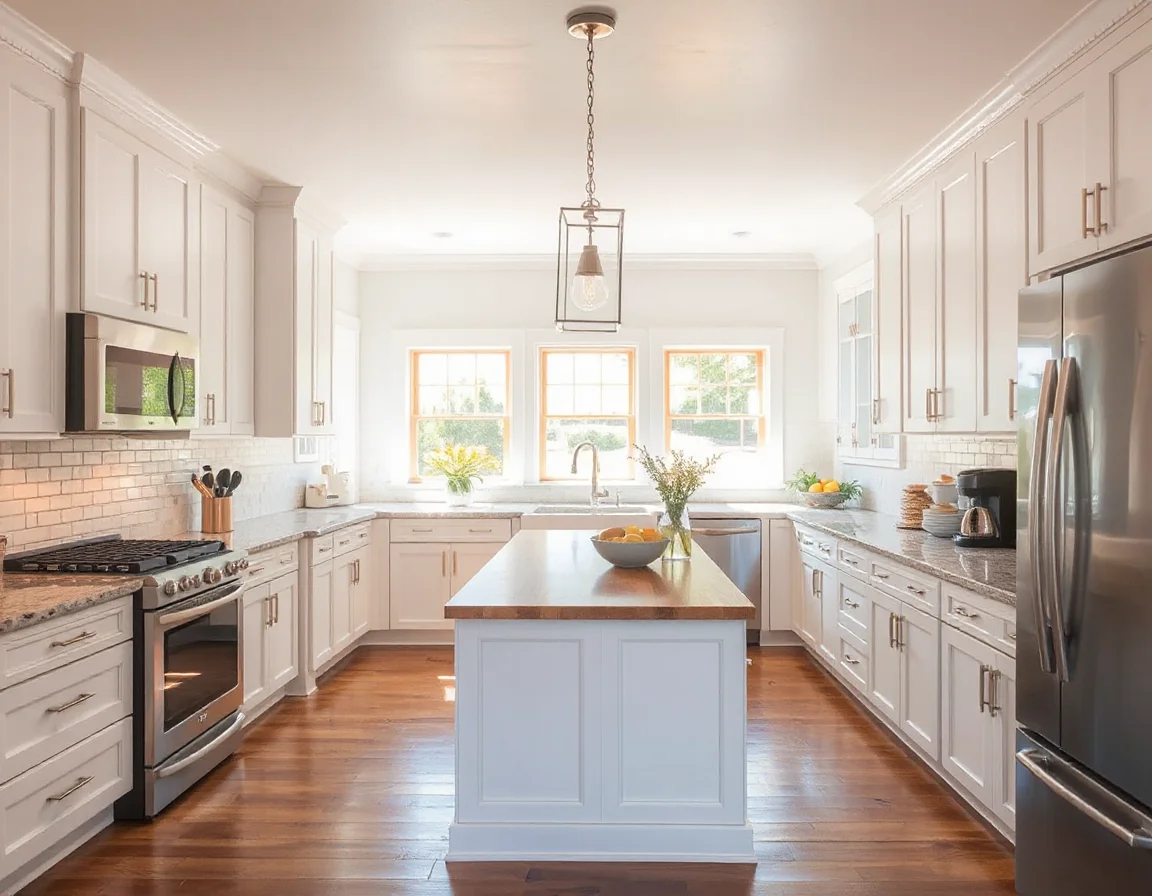
Small details can have an outsized effect on how easily a home’s features are understood. Replace burned-out bulbs, address obvious drips if possible, remove items that hide flooring or counters, and secure pets according to what is comfortable and appropriate for the household. These are not cosmetic tricks. They simply make it easier to evaluate the space, note finishes accurately, and distinguish an ordinary maintenance item from a larger concern.
Be ready to point out features that might otherwise be missed. That could include attic storage, an irrigation system, a workshop outlet, built-in shelving, a newer dishwasher, insulated windows, a fenced portion of the yard, or a recently serviced fireplace. Mentioning a feature is helpful, but documentation and visible condition provide the strongest support. If an improvement is still under warranty, have that information available.
It is equally valuable to be candid about repairs you know are needed. A trusted real estate professional can explain whether an issue is likely to affect market positioning, whether a repair deserves attention before listing, or whether disclosure and pricing strategy are the more practical route. Not every project returns its full cost, and not every imperfection needs to be corrected immediately. The most effective plan is usually one based on local competition, timing, budget, and the condition of the property as a whole.
A valuation is a planning tool, not a promise of a future sale price. Market conditions, buyer activity, financing, and the condition of competing listings can all change between the appointment and a listing date.
Gather the Market Details That Matter
Online estimates can be a useful starting point, but they do not always account for interior condition, lot usability, recent updates, or the differences between nearby streets. A professional valuation typically considers active competition, pending activity, recent closed sales, and homes that did not sell. The result is not simply a price per square foot; it is an informed range based on what the market is showing at that moment.
Before the meeting, think about your timeline and priorities. Are you exploring possibilities, planning to list soon, or deciding whether to make repairs first? Do you need to coordinate a purchase with a sale? Would a particular closing window make your move easier? Sharing these practical details helps shape recommendations around your actual goals rather than a generic checklist. It can also clarify whether a pre-listing inspection, contractor estimate, or additional market update would be useful.
Questions are welcome during this process. Ask which nearby properties are most relevant, what features appear to be influencing buyer interest, and which improvements may be worth considering. You can also ask how your home compares with properties currently available in and around Roebuck. Understanding the “why” behind a suggested range makes it easier to make confident decisions about preparation, timing, and list strategy.
Turn Preparation Into a Practical Next Step
The best valuation appointment leaves you with useful information, not pressure. You should come away with a clearer view of your home’s strengths, the work that may be worth doing, the items that can wait, and the market conditions likely to shape a sale. For some owners, the next step is a few weekends of maintenance. For others, it may be gathering documents, consulting a contractor, or simply watching the market until the timing feels right.
Roebuck offers a mix of established homes, newer construction, and properties with varied lot sizes and features, so a one-size-fits-all estimate rarely tells the full story. Preparing thoughtfully gives Real Home International the context needed to evaluate your property with greater precision. Whether you are considering a sale soon or building a longer-range plan, a well-prepared valuation can turn uncertainty into a focused, manageable path forward.