
Buying a first home in Greer does not have to feel like a nonstop race through listings, loan documents, and decisions. A clear budget, a practical search plan, and a little local context can turn the process into a series of manageable moves. Use these seven steps to focus on the details that can make a purchase feel more confident from the first showing through closing day.
Start With a Plan That Fits Your Real Life
It is easy to begin a home search with a saved-photo board and a list of features, but the most useful first step happens before the first tour. Look at the monthly payment you would be comfortable making, the cash you want available after closing, and the amount of time you have to manage repairs or updates. Greer offers a range of housing styles, from established homes with mature landscaping to newer construction and townhome options, so defining your priorities early helps you compare properties on more than appearance alone.
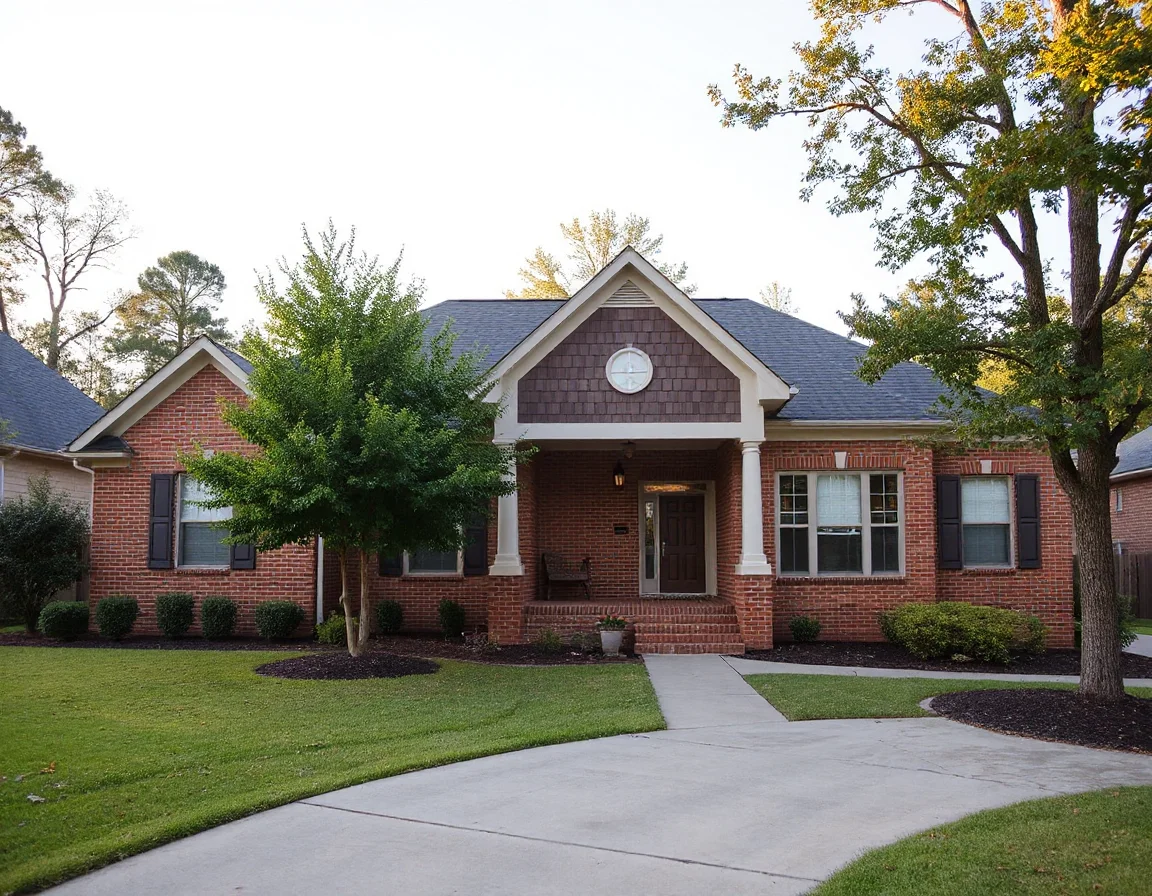
1. Build a complete monthly budget
Your housing payment is more than principal and interest. Include estimated property taxes, homeowners insurance, mortgage insurance when applicable, utilities, HOA dues, and a realistic maintenance reserve. Ask your lender to show a few payment scenarios at different purchase prices so you can see how a change in price, down payment, or interest rate affects the whole picture.
A complete budget also makes your offer decisions calmer. Rather than stretching toward a number that only works in the best-case scenario, you can choose a range that leaves room for furniture, moving costs, small repairs, and ordinary life after the keys are in hand.
A purchase price is only one number. Comparing the estimated all-in monthly cost of two homes can reveal a clearer fit than comparing list prices alone.
2. Get pre-approved before you fall in love with a listing
Pre-approval gives you a current estimate of borrowing power based on information a lender has reviewed, and it helps clarify the documents you will need later. It can also make showings more productive: when a well-matched home comes on the market, you already know the price range and financing structure you are prepared to consider.
For a first purchase, it is worthwhile to ask about loan options, projected cash to close, rate-lock timing, and any questions that may affect underwriting. A lender can explain the terms, while your real estate professional can help connect the financing plan to the realities of the homes you are considering.
Search With Priorities, Not Pressure
A focused search is not about finding a flawless property; it is about recognizing a home that supports your goals. Write down three categories: features you need, features you would enjoy, and features you are willing to improve over time. This creates a practical filter when you are weighing layout, condition, location, outdoor space, commute routes, and nearby amenities.
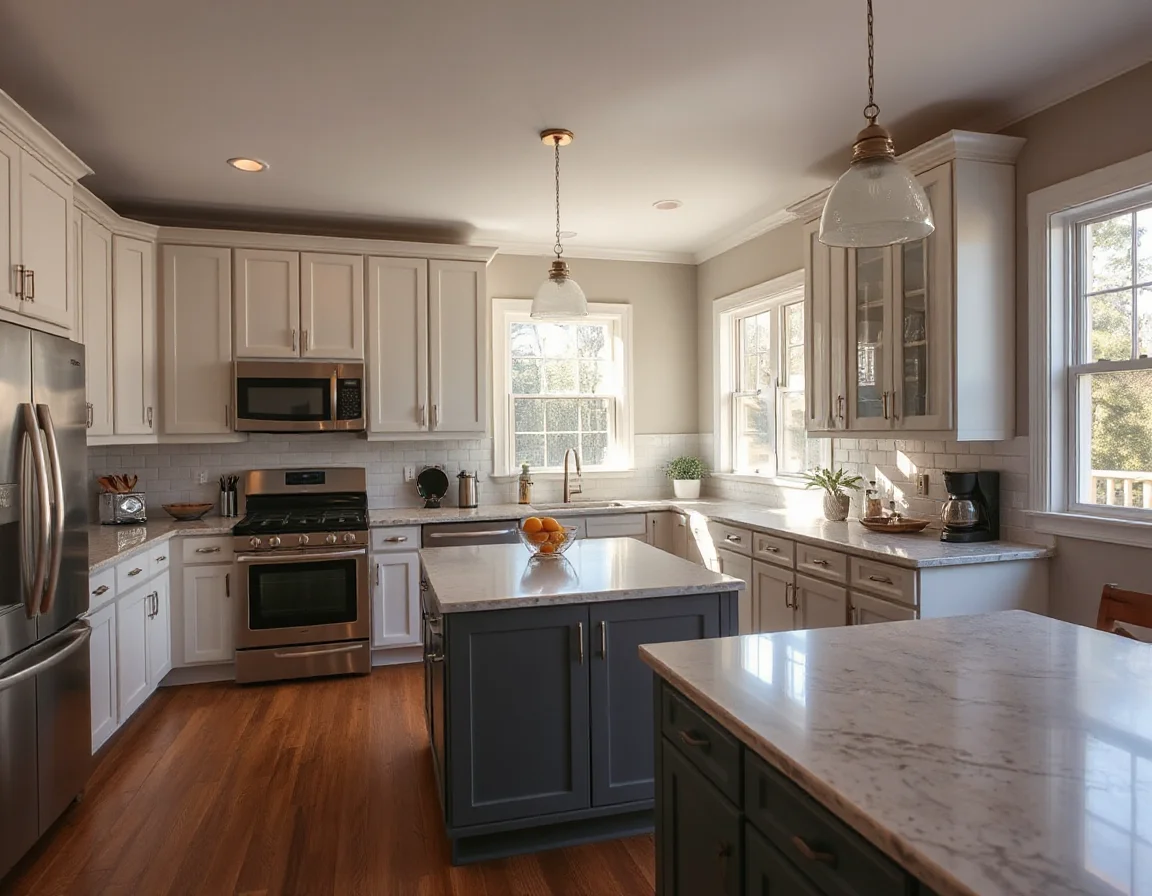
3. Tour homes with a repeatable checklist
During a showing, it helps to look beyond staging and take notes in the same order every time. Consider the age and apparent condition of major systems, storage, natural light, room flow, parking, drainage, lot maintenance, and any visible signs that merit a closer look. Photos and measurements can help you revisit details after a busy day of tours.
Pay attention to how the property functions. Can you picture where everyday items will go? Does the layout support the way you use rooms now? Are the updates cosmetic, or do they point to larger maintenance questions? You do not need to diagnose a house during a tour; you simply need enough information to decide whether it deserves a more serious look.
4. Learn the local rhythm of each area
Greer’s location between Greenville and Spartanburg gives home buyers access to regional employment centers, major road connections, parks, dining, and community events. As you evaluate a property, visit at more than one time of day when possible. Notice travel times to the places you use regularly, the condition of surrounding streets, available pedestrian routes, and the proximity of services and recreation that matter to you.
Objective observations are more useful than broad assumptions. A drive at morning or afternoon traffic time, a walk through a nearby public park, or a stop in the surrounding commercial area can give you first-hand context that listing photos cannot provide.
Protect Your Budget During the Offer and Inspection
Once you have found a home you want to pursue, the process shifts from browsing to decision-making. A thoughtful offer balances the property’s condition, comparable sales, current competition, your financing, and the terms you need to move forward. Price matters, but closing date, contingencies, due-diligence timing, and seller concessions can matter too.
5. Keep a reserve beyond your closing costs
First-time buyers sometimes focus so intensely on the down payment that they overlook the first few months of ownership. Even a well-maintained property can bring immediate expenses, from changing locks and buying window coverings to servicing equipment or addressing an inspection item. Keeping funds set aside gives you options without turning routine projects into emergencies.
A home inspection is a planning tool, not a pass-or-fail scorecard. It can help you understand maintenance priorities, estimate near-term costs, and decide which issues belong in negotiations.
6. Read inspection findings in context
An inspection report can be long because it documents both major concerns and ordinary maintenance items. Review it carefully with your inspector, then separate health and safety concerns, significant system issues, and manageable upkeep tasks. Your agent can help you understand the available contractual options and prepare a response that is aligned with the property, the market, and your comfort level.
No home is maintenance-free, including new construction. The goal is not to eliminate every future task; it is to understand what you are buying and make a decision with appropriate information. If a repair estimate is needed, seek qualified professionals who can evaluate the specific issue.
7. Stay organized through closing day
After contract acceptance, deadlines matter. Keep a dedicated folder for lender requests, inspection documents, insurance quotes, receipts, and communication related to the transaction. Responding promptly to your lender and reviewing disclosures as they arrive can prevent avoidable last-minute stress.
Before closing, confirm your final funds instructions directly through trusted contacts and remain alert for unexpected changes in payment wiring details. Complete the final walkthrough to verify the property’s condition and any agreed-upon items. Then, once the transaction is complete, save the closing documents in a secure place; they can be useful for tax records, future improvements, and eventual resale planning.
Make the First Step the Simplest One
Homeownership in Greer begins with preparation, not perfection. By setting a comfortable budget, understanding financing, touring with intention, and leaving room for the responsibilities that come after closing, you can move through the process with fewer surprises and stronger decision-making. The right home is one that works for your priorities today while giving you a clear path to settle in and make it your own over time.